




Arts & Creativity
Stay tuned for original creative work inspired by ‘dangerous women’, including:
- The first woman in England to demand a divorce
- William Wordsworth’s inspiring sister
- A 19th century astronomer who outshone her male colleagues to discover almost 400 stars.
We’ll also feature commentary and analysis on creative women across the years, from pop sensations to avant-garde painters.
Feeling artistic? Submit your own creative response to ‘what does it mean to be a dangerous woman?’


Seeing powerful women in a new frame
Artist Satdeep Grewal’s exhibition reframes perceptions of women who have inhabited positions of power despite criticism or attacks based on gender or race.
Continue reading

In her short story, Lucy Walters explores the idea and consequences of powerful women adopting traditionally male traits.
Continue reading

On women in comedy
‘We dangerous women of comedy must continue to push boundaries and question societal norms until we are no longer considered dangerous.’ — Isobel Moulder
Continue reading

In this months’ contribution from Scottish PEN, Zoë Strachan takes a look at the life and career of Scottish novelist Dame Muriel Spark.
Continue reading
“We are resilient, because we are dangerous.” In her short story, Priya Guns mixes culture and conflict through her protagonist’s journey from Sri Lanka to Canada, childhood to womanhood.
Continue reading

The dangerous woman concept in the film ‘Black Coal, Thin Ice’
Tingting Hu takes a look at a ‘femme fatale’ in a Chinese context, Wu Zhizhen – protagonist of the award-winning film noir ‘Black Coal, Thin Ice’.
Continue reading
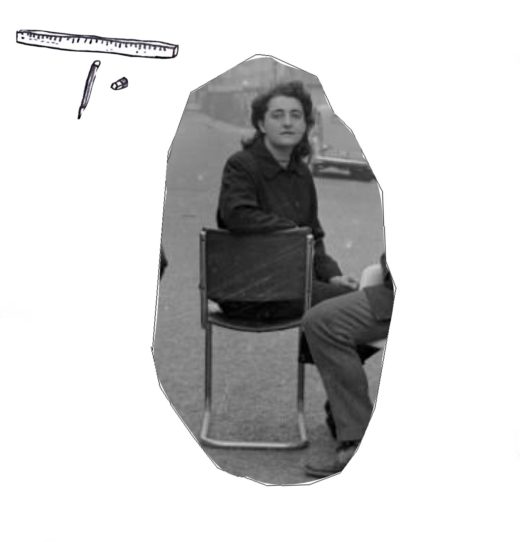
Kate Schneider illustrates the vision of influential 20th century architect Alison Smithson and the gendered criticism she faced during her career.
Continue reading

From Moll Flanders to Tess of the d’Urbervilles
Nicola Lacey draws links between representations of women in literature and their real life treatment under the laws of the 18th century and beyond.
Continue reading

On encounters with Martha Gellhorn
Playwright and theatre director Julia Pascal recounts her time spent with Martha Gellhorn, one of the greatest war correspondents of the 20th century.
Continue reading