




Human Rights

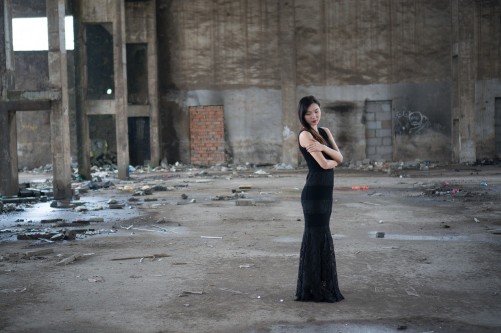
What does it mean to be a truly dangerous woman, in this dangerous world?
‘A woman becomes dangerous when she threatens the status quo… when she points out what is hiding in plain sight.’ Writer and broadcaster Bidisha reflects on the central question of the Dangerous Women Project: What does it mean to be a dangerous woman?
Continue reading
How my mother taught me about bravery, identity and human rights
For barrister Lyndsey Sambrooks-Wright, a dangerous woman is a woman who helps others to find their identity, especially when that does not conform to convention.
Continue reading

The questions asked in the aftermath of sexual violence
Eleanor Cope reflects on her road to recovery as a rape survivor, facing and dismantling the question: is my sexuality dangerous?
Continue reading
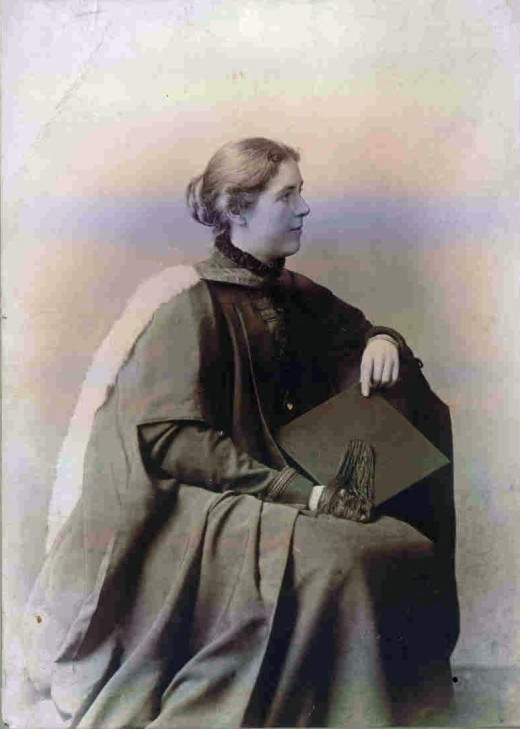
Challenging authority, championing equality
Helen Kay explores the career, campaigns and achievements of University of Edinburgh alumna Chrystal Macmillan, who remained ‘a pleasant but dangerous woman throughout her life’.
Continue reading

Catherine Wilson: a dangerous woman in UK Parliament
How were women treated in early 20th century UK Parliament? Very differently to men. Catherine Wilson decided to challenge that in a subversive way: disguise herself.
Continue reading

Women in Black and the danger in peaceful protest
Since 2003, the Edinburgh chapter of international peace initiative Women in Black (WIB) have stood silent vigil from 1-2pm every Saturday without exception on Princes Street outside Register House. Here, the group explores the idea of danger in peaceful protest.
Continue reading

The struggle for women’s rights in Guanajuato, Mexico
Mexican activist Verónica Cruz Sánchez explains how she came to be perceived a dangerous woman, and why she embraces her dangerous identity in defense of human rights.
Continue reading

The Canadian Government may have thought niqab-wearing women dangerous. Audrey Macklin and Zunera Ishaq disagreed.
The first Dangerous Women Project post considers what it means to be a dangerous woman from several angles. It features two voices in the landmark 2015 court case between a young Muslim woman–Zunera Ishaq–and the Canadian Government.
Continue reading